
Blog
Common risks associated with research chemicals

May
Common risks associated with research chemicals include severe, unpredictable hazards. Many sellers market these substances as novel psychoactive substances (NPS), designer drugs, or legal highs. Manufacturers create synthetic analogs of controlled substances to mimic effects and bypass legal restrictions. Researchers have not tested these chemicals for human consumption, making toxicity, overdose, and side effects uncertain.
Common risks associated with research chemicals are given below:
- Unknown Toxicity Risk
- Overdose Risk
- Contamination and Purity Risk
- Unpredictable Side Effects
- Mental Health Risks
- Organ Damage Risk
- Dependency Risk
- Drug Interaction Risk
- Long-Term Unknown Effects
- Legal Risks
- Handling Safety Risks
- Emergency Treatment Challenges
1.Unknown Toxicity Risk
Unknown Toxicity Risk means unknown research chemicals can harm the body in ways people don’t fully understand yet. These substances may have unidentified toxic effects, unmeasured toxicity, or poorly understood toxicity. This uncertainty creates potential hazards after exposure. A chemical may cause mild irritation, strong side effects, or severe systemic effects. Users should assume a worst-case scenario, avoid direct contact, use protective gear, isolate the substance, and seek medical help after exposure.
2.Overdose Risk
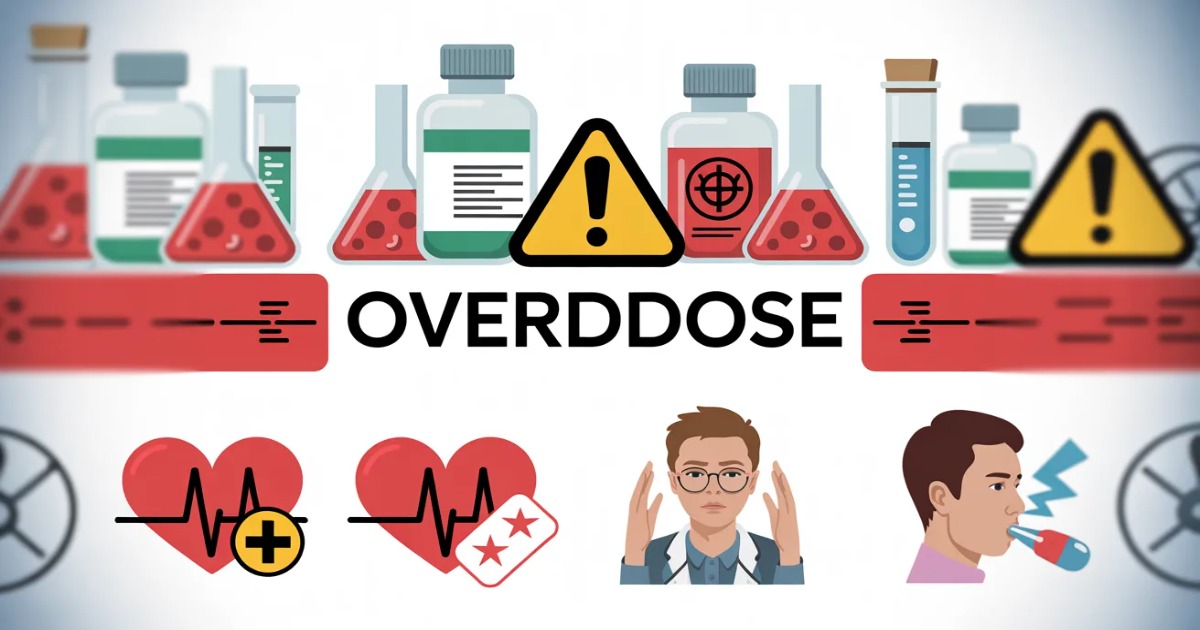
Overdose Risk of research chemicals can cause serious harm when a person takes too much or gets an unexpectedly strong dose. These substances often have unpredictable potency. A small amount may create a much stronger effect. Synthetic opioids, stimulants, and hallucinogens are high-risk substances. They can cause fatal overdoses, seizures, panic, heart problems, and respiratory depression. Improper doses increase the danger because users may not know the real strength.
3.Contamination and Purity Risk
Contamination and Purity Risk refers to research chemicals that may contain unwanted substances that can make them unsafe or unreliable. These impurities may include residual solvents, by-products, or trace metals. Poor synthesis, careless handling, or bad storage can cause contamination. Contaminated chemicals can create safety hazards, skew experimental data, and cause failed reactions. High-purity chemicals above 99.9% can support cleaner, safer, and more reproducible results.
4.Unpredictable Side Effects
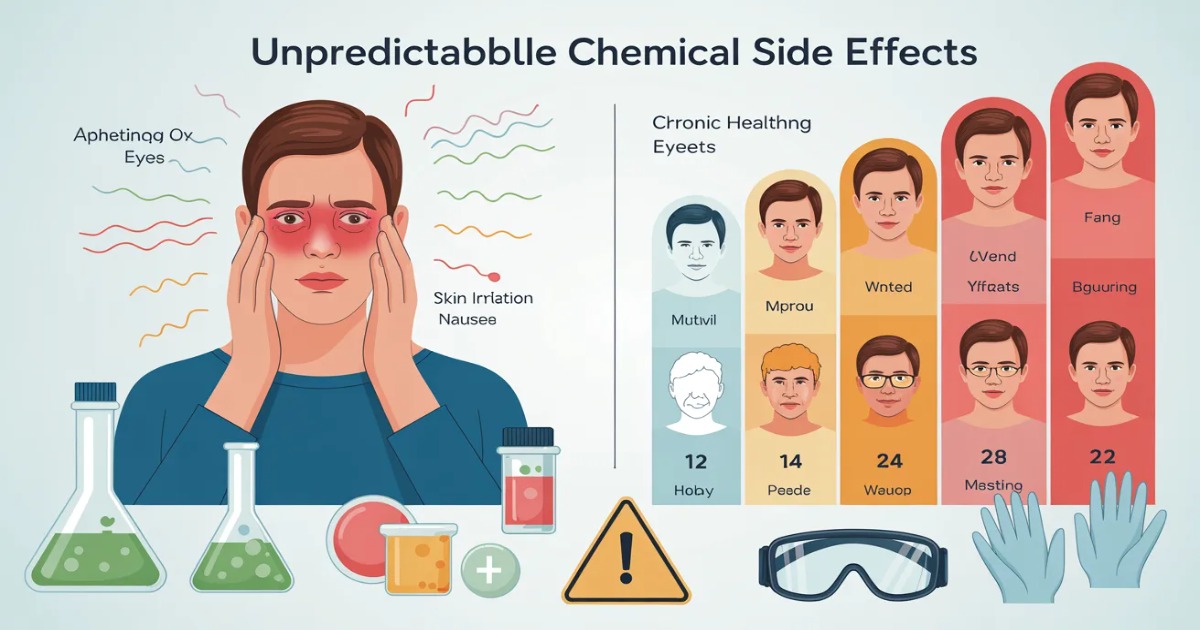
Unpredictable Side Effects means research chemicals can cause reactions that people can’t clearly predict. Chemicals may cause acute reactions after contact. A person may feel burning eyes, skin irritation, and nausea. Everyday chemical exposure may also create chronic health issues over time. Research chemicals, plastics, fragrances, and household products can affect each person differently. Users should avoid exposure, read safety warnings, use protection, and seek medical help when symptoms appear.
5.Mental Health Risks
Mental Health Risks represent research chemicals that can harm a person’s brain, mood, and behavior. Environmental chemicals can cause neurotransmitter disruption, neuroinflammation, and hormonal imbalance. These changes can trigger depression and anxiety, panic, paranoia, mood swings, and sleep problems. Long-term exposure can increase cognitive decline and reduce memory and focus. Users should avoid unsafe exposure and seek medical help if symptoms appear.
6.Organ Damage Risk
Organ Damage Risk describes how research chemical exposure can harm important organs, especially the liver and kidneys. The liver and kidneys filter toxins from the body. Heavy metals, pesticides, and PFAS can cause acute organ damage or chronic organ damage. These hazards may raise cancer risk, damage the nervous system, and weaken the immune system. Research chemicals can increase this risk because they often lack clear safety data. Users should avoid direct exposure and seek medical help after harmful contact.
7.Dependency Risk
Dependency Risk describes the chance that a research chemical substance can make a person rely on it. A person may use alcohol, drugs, or prescription medicine again and again. The body may build tolerance over time. The person may need a higher dose for the same effect. The brain may create strong cravings. The substance may cause physical dependence or psychological dependence. Sudden stopping may trigger withdrawal symptoms, such as anxiety, shaking, seizures, or hallucinations. Long-term use may raise addiction risk and health problems. Early support can reduce harm and guide safer recovery.
8.Drug Interaction Risk
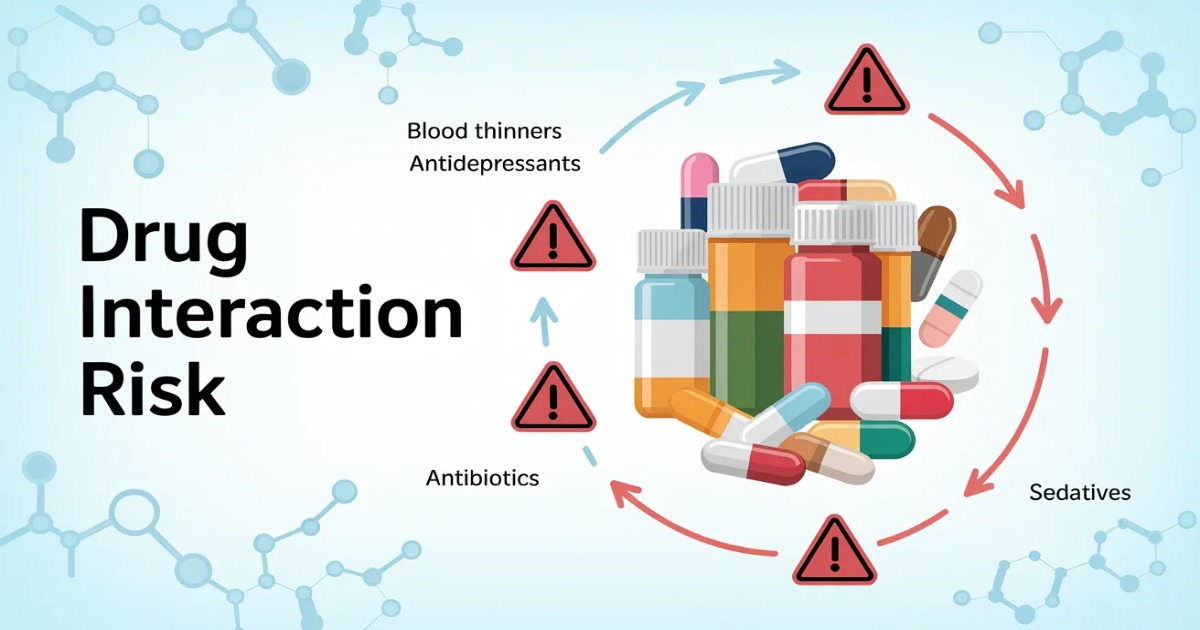
Drug Interaction Risk represents a substance that changes another drug’s effect in the body. A medicine, food, alcohol, or supplement can make treatment too strong, too weak, or unsafe. This risk can cause medication contraindications, adverse drug reactions, toxicity risk, reduced drug effectiveness, sedative interactions, and blood thinner interactions. Alcohol can increase drowsiness from sleep pills. Some foods can change blood pressure medicine. Blood thinners, antidepressants, antibiotics, painkillers, and sedatives need extra care. Patients can reduce this risk by sharing every medicine and supplement with a doctor or pharmacist. Yes, even “just vitamins” can matter.
9.Long-Term Unknown Effects
Long-Term Unknown Effects create hidden health risks in research chemicals or New Psychoactive Substances. These synthetic drugs may harm the brain, mood, memory, heart, and liver over time. Users may face neurotoxicity, psychological dependence, cognitive impairment, organ damage, psychiatric complications, and delayed adverse effects. Doctors still don’t fully understand these long-term risks because many NPS are new, untested, and always changing. These substances do not offer a clear safety record like tested medicines. A user takes a mystery substance, and the body may send a scary bill later. Risky, right?
10.Legal Risks
The legal risks of research chemicals are serious because they can copy illegal drugs. Sellers may call them NPS, designer drugs, or legal highs, but those names don’t make them safe or legal. Drug control laws can ban these substances quickly. Police can give possession charges if someone carries them. Courts can place criminal liability on users or sellers. Sharing or selling them can cause distribution offenses. Some laws may treat them as controlled substance analogues. Regulators can also take action through regulatory enforcement. These risks can hurt your record, job, studies, and travel plans. So, “legal” can become trouble very fast.
11.Handling Safety Risks
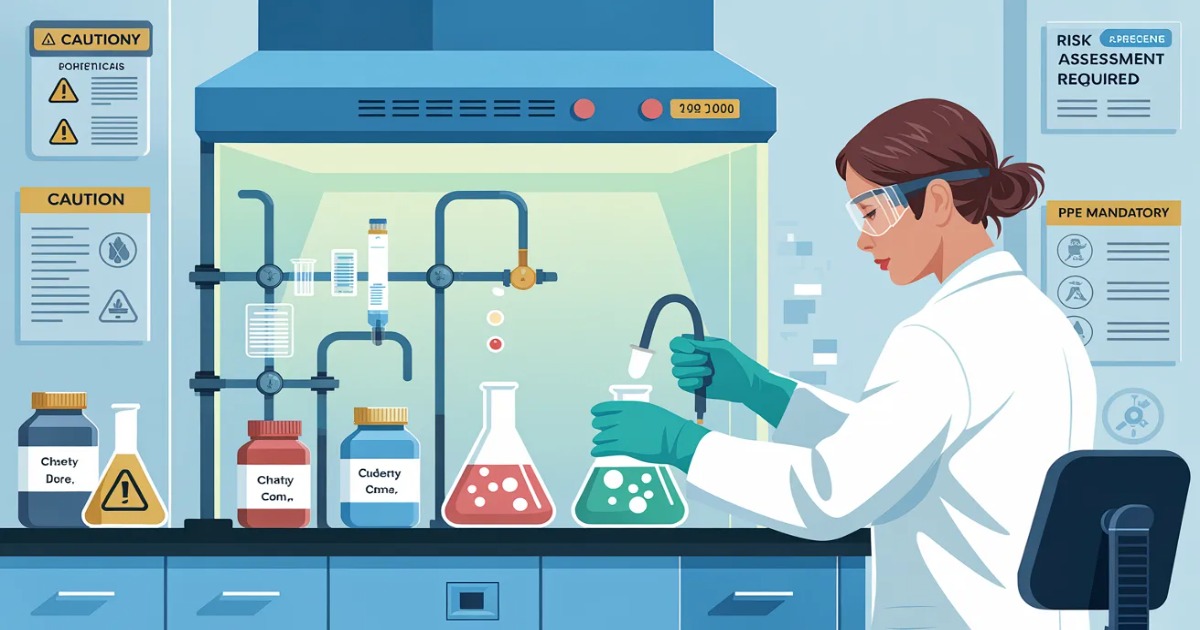
Handling safety risks of research chemicals requires clear safety steps because these lab substances often have limited safety data. Workers should complete a risk assessment before use. They should wear personal protective equipment like gloves, goggles, and a lab coat. Labs should use engineering controls, such as a fume hood, to reduce toxicity exposure. Users should follow safe handling procedures, label containers, and store chemicals correctly. Good chemical hazard management prevents poisoning, burns, breathing problems, organ damage, and accidents. Nobody should mix unknown chemicals for fun because a lab isn’t a magic show.
12.Emergency Treatment Challenges
Emergency treatment challenges of research chemicals creates serious challenges for doctors because these drugs cause unpredictable reactions. People call these drugs new psychoactive substances, designer drugs, or bath salts. Doctors often lack clinical safety data, so they don’t always know the safest treatment. Standard toxicology screening may miss these substances, which makes quick diagnosis harder. Patients may show acute intoxication, panic, confusion, chest pain, seizures, overheating, or severe adverse reactions. Medical teams treat the symptoms, protect breathing, give fluids, calm the patient, and watch the heart. These mystery drugs don’t make the job easy—doctors need fast thinking, not guesswork.
How to avoid common risks associated with research chemicals?
To avoid common risks associated with research chemicals users should follow safety protocols to avoid common risks associated with research chemicals. They should assess hazards, use proper handling techniques, and check toxicity, unknown effects, impurities, and legal consequences. These steps reduce exposure risks and support safer chemical handling.
How can beginners avoid mistakes with research chemicals?
Beginners can avoid mistakes with research chemicals by following simple safety steps. They wear PPE like gloves and goggles, use a fume hood, buy from reputable suppliers, check the COA, read the SDS, and use standardized labeling to prevent mix-ups and reduce risks.
Why is proper labeling important for research chemicals?
Proper labeling is important for research chemicals because it protects research chemicals by showing hazards clearly. It supports personnel safety. and helps labs meet regulatory compliance. It guides safe handling and protects scientific integrity. It also prevents mix-ups, unsafe storage, costly disposal, and unknown substances in the lab.
How should research chemicals be stored to prevent risks?
Research chemicals should be stored to prevent risks and need secure storage. Users should follow hazard class segregation and keep chemicals in a ventilated environment. Labels should show proper labeling on every container. Labs should use secondary containment for leaks. Handlers must check chemical compatibility to avoid spills, mix-ups, and unsafe reactions.
What safety gear is needed when handling research chemicals?
Safety gear is needed when handling research chemicals because it protects your body when you handle research chemicals. Eye protection shields your eyes from splashes. A lab coat covers your skin and clothes. Chemical-resistant gloves protect your hands. Closed-toe shoes guard your feet. A fume hood removes hazardous fumes, so you don’t breathe unsafe vapors.
What should someone do after a dosing mistake of research chemicals?
Someone should do after a dosing mistake of research chemicals when a research chemical dosing mistake needs quick safety action after an accidental overdose: stop taking the substance, call 911 or a local emergency number for severe reactions, contact Poison Control, write down the substance name, dose, and time of ingestion, and keep a calm person nearby while helping guide you.
How can someone recognize unsafe or low-quality research chemicals?
Someone can recognize unsafe or low-quality research chemicals by checking supplier transparency, Certificates of Analysis, Safety Data Sheets, product consistency, and proper labeling. Trusted suppliers provide clear batch records and traceability. Risky sellers hide documents, use vague labels, or ship odd-looking materials. No proper label means no trust. Safety wins.
