
Research Chemicals USA | Quality, Testing, Suppliers & Compliance
The United States is home to universities, pharmaceutical companies, biotechnology organizations, analytical laboratories, and scientific research facilities that work with a wide range of chemical compounds. Research chemicals can support laboratory analysis, chemical studies, pharmaceutical research, and other scientific applications when handled by qualified personnel in appropriate research environments.
When evaluating research chemicals in USA, researchers should look beyond product availability. Chemical identity, purity information, analytical documentation, batch consistency, labeling, storage requirements, and applicable regulatory considerations are all important factors.
This guide explains how to evaluate research chemicals, understand available testing documentation, assess suppliers, and consider federal and state requirements before sourcing materials for legitimate laboratory research.
Research Chemicals in USA
Research chemicals are substances used for experimental, analytical, academic, pharmaceutical, or other scientific research purposes. Depending on the compound and application, researchers may use them to study chemical properties, analytical characteristics, biological interactions, or potential research applications.
The term research chemicals does not represent a single regulatory category. Different compounds can be subject to different federal and state requirements, so researchers should evaluate the specific chemical rather than assuming that all research compounds have the same legal or safety status.
What Are Research Chemicals?
Research chemicals can include established compounds used as analytical materials as well as newer or less extensively characterized substances investigated in laboratory settings.
Common research environments include:
- Pharmaceutical and biotechnology laboratories
- Academic and university research facilities
- Analytical chemistry laboratories
- Chemical development and testing facilities
- Scientific and experimental research programs
Their appropriate use depends on the chemical, research objective, laboratory procedures, available safety information, and applicable regulations.
Explore Research Chemical Categories
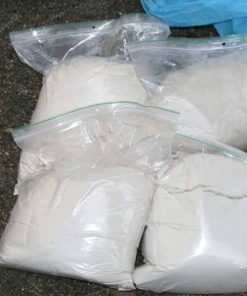
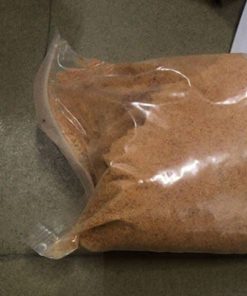
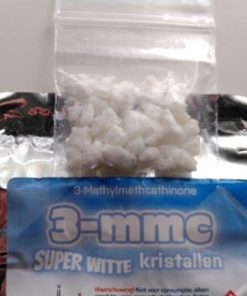
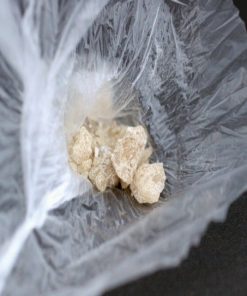



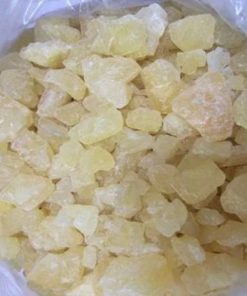

Common Types of Research Compounds
Research materials can serve different scientific purposes. Depending on the application, they may include:
- Analytical reference materials
- Laboratory research compounds
- Experimental chemical compounds
- Chemical standards
- Research-grade materials
- Specialty chemicals used in research and development
Researchers should select materials according to their documented chemical identity, intended laboratory application, analytical requirements, and applicable safety procedures.
What Makes a Quality Research Chemical?
Quality is more than a high percentage printed on a product page. Researchers should consider whether the material has sufficient documentation to establish its identity and characteristics and whether the available information is consistent from batch to batch.
Chemical Identity
Clear chemical identification is an important starting point when evaluating a research compound. Product information should identify the material accurately and, where applicable, provide information such as chemical name, molecular formula, molecular weight, CAS number, or other relevant identifiers.
Accurate identification helps laboratories select the appropriate analytical and handling procedures.
Purity and Analytical Data
Purity information can help researchers evaluate whether a material is suitable for a particular research application. The appropriate analytical method depends on the compound and intended use.
Depending on the material, analytical information may include chromatographic or spectrometric data such as HPLC or GC-MS results.
Rather than relying on a universal purity threshold, researchers should consider the specifications appropriate for their specific experimental requirements.
Batch Consistency
Consistent batch information is important for reproducible laboratory work. Researchers should review available batch numbers, testing information, manufacturing details, and documentation when consistency between different purchases or experiments matters.
Proper Labeling and Documentation
Research chemicals should be clearly identified and appropriately labeled. Documentation should provide researchers with relevant information about the material, handling requirements, storage conditions, and available analytical results.
Clear documentation also makes it easier for laboratories to maintain appropriate internal records.
COA, HPLC & GC-MS Testing for Research Chemicals
Analytical documentation is an important part of evaluating research chemical quality. A Certificate of Analysis (COA) can provide information about a particular batch, while analytical techniques such as HPLC and GC-MS can provide additional information depending on the chemical being evaluated.
What Is a Certificate of Analysis (COA)?
A Certificate of Analysis is a document that reports analytical results associated with a material or batch. Depending on the supplier and compound, a COA may contain information such as product identification, batch number, testing date, analytical method, and reported results.
Researchers should review whether the available COA corresponds to the specific material or batch being evaluated.
What Information Should a COA Include?
Depending on the compound and testing process, useful documentation may include:
- Product or chemical name
- Batch or lot number
- Testing date
- Reported purity
- Analytical method
- Test results
- Laboratory or testing information
A COA should be evaluated as part of the broader documentation available for a research material rather than treated as the only indicator of quality.
HPLC Testing
High-performance liquid chromatography, commonly known as HPLC, can be used to separate and analyze components within a sample. It is widely used in analytical chemistry and can provide useful information about the composition and purity of appropriate compounds.
The suitability of HPLC depends on the chemical and analytical objective.
GC-MS Testing
Gas chromatography mass spectrometry, or GC-MS, combines chromatographic separation with mass spectrometric analysis. It can help identify and characterize compounds that are suitable for this analytical approach.
As with any analytical method, interpretation should consider the chemical properties of the material and the limitations of the testing method.
Why Batch-Level Documentation Matters
Batch-specific documentation can provide greater transparency than generic product specifications. When reproducibility is important, researchers may benefit from reviewing documentation associated with the actual batch being evaluated.
Research Chemical Suppliers in USA
Finding a research chemical supplier in USA involves more than comparing product names or prices. Researchers should evaluate the quality of available documentation, chemical identification, testing information, labeling, and the supplier’s transparency.
A supplier should provide enough information for qualified researchers to understand what material is being supplied and what documentation supports its stated specifications.
What to Look for in a Research Chemical Supplier
Important considerations can include:
- Clear chemical identification
- Available COA documentation
- Appropriate analytical testing information
- Batch or lot information
- Transparent product specifications
- Clear labeling
- Storage and handling information
- Research-use documentation
- Information about applicable regulatory requirements
These factors can help researchers compare suppliers based on documentation and quality considerations rather than availability alone.
Questions to Ask Before Selecting a Supplier
Before sourcing a research compound, researchers can consider questions such as:
- Is the chemical clearly identified?
- Is batch-specific documentation available?
- What analytical testing has been performed?
- Does the available documentation correspond to the material being evaluated?
- Are storage and handling requirements clearly provided?
- Is the intended research application clearly described?
- Are relevant federal or state requirements understood?
These questions can help laboratories establish a more consistent supplier-evaluation process.
How to Evaluate Research Chemical Quality in USA
Researchers evaluating quality research chemicals should consider multiple evidence points rather than relying on a single specification.
Verify Chemical Identity
Confirm that the chemical name and other identifying information are consistent across the product information and available documentation.
Review Available Analytical Documentation
Review relevant COAs and analytical results and determine whether the testing method is appropriate for the material and intended research application.
Check Batch Information
Batch or lot numbers can help connect a material with its corresponding analytical documentation and internal laboratory records.
Review Storage and Handling Information
Storage requirements can vary significantly between compounds. Researchers should follow the available safety and storage information and their laboratory’s established procedures.
Understand the Intended Research Application
A material suitable for one analytical or experimental purpose may not be appropriate for another. Researchers should evaluate the compound against the requirements of their specific laboratory application.
Legal Research Chemicals in USA
The legal status of a research chemical in the United States depends on the specific substance, its characteristics, intended use, applicable federal requirements, and potentially state law.
The phrase “research use only” by itself does not determine whether a substance is legal. Researchers should evaluate the specific compound and applicable requirements before acquiring or using it.
Federal Regulatory Considerations
Several federal laws and regulatory frameworks may be relevant depending on the chemical and its intended use.
Researchers should consider whether a substance is controlled, subject to specific regulatory requirements, or potentially covered by rules concerning analogous substances.
Controlled Substances Act
The Controlled Substances Act establishes federal controls and scheduling for certain substances. If a particular research chemical is a controlled substance, additional legal requirements may apply to its possession, distribution, handling, or use.
The status of an individual compound should therefore be checked rather than assuming that all research chemicals are treated alike.
Controlled Substance Analogues
Certain substances that are structurally or pharmacologically similar to controlled substances can raise additional legal questions under federal law, particularly when the applicable requirements concerning intended human consumption are involved.
Researchers should assess the specific compound and obtain appropriate legal or regulatory guidance where necessary.
Research Use Only Does Not Automatically Determine Legal Status
A “Research Use Only” or similar designation is a labeling or intended-use statement. It should not be treated as a blanket exemption from federal or state law.
Legal status can depend on the chemical itself, its intended use, how it is marketed or represented, and the requirements applicable to the particular jurisdiction.
State-Level Requirements
Federal requirements are only part of the regulatory landscape. State laws can impose additional restrictions or requirements concerning particular substances.
Researchers working in the United States should therefore consider both federal requirements and the laws applicable in the state where the material will be possessed, stored, or used.
Research Chemicals for Laboratory and Scientific Research
Research chemicals can support several areas of scientific investigation when used appropriately in qualified laboratory environments.
Pharmaceutical Research
Researchers may use chemical compounds during early-stage pharmaceutical investigation, analytical studies, formulation research, or other scientific processes.
The specific suitability of a compound depends on the research protocol and laboratory requirements.
Analytical Chemistry
Analytical laboratories may use chemical reference materials and research compounds to support methods involving chromatography, spectroscopy, identification, characterization, and other analytical techniques.
Academic Research
Universities and research institutions conduct studies across chemistry, biology, biotechnology, materials science, and related disciplines. Research compounds can form part of controlled experimental work within these environments.
Chemical and Material Research
Specialty and experimental chemicals may also be used when researchers investigate chemical reactions, material properties, synthesis pathways, or other scientific questions.
Buying and Sourcing Research Chemicals in USA
Researchers searching for research chemicals for sale in USA should focus on responsible sourcing rather than simply selecting the first available supplier.
Product availability does not establish quality. Before sourcing a material, researchers should review its chemical identity, available analytical documentation, batch information, labeling, storage requirements, and applicable regulatory considerations.
What to Verify Before Sourcing
Before obtaining a research compound, consider verifying:
- Chemical identity
- Available COA
- Analytical testing information
- Batch or lot information
- Purity specifications
- Storage requirements
- Appropriate labeling
- Intended research application
- Applicable federal and state requirements
Product Documentation and Batch Information
Documentation should be sufficiently clear to allow qualified laboratory personnel to evaluate the material against their research requirements.
Where batch-specific information is available, it can help researchers connect analytical results with the material being evaluated.
Research Use and Regulatory Considerations
Research-use labeling should not be interpreted as an automatic statement of legality. Researchers remain responsible for understanding and following the requirements applicable to the specific compound and jurisdiction.
Safe Handling and Storage of Research Chemicals
Research chemicals should be handled in accordance with appropriate laboratory safety procedures. Some compounds may have limited toxicological or safety information, particularly when they are newly developed or insufficiently characterized.
Personal Protective Equipment
Appropriate PPE should be selected according to the chemical’s known hazards and the laboratory’s established safety procedures.
Proper Storage
Researchers should follow the recommended storage conditions for each compound and consider factors such as temperature, light, moisture, compatibility, and container requirements where relevant.
Labeling
Containers should remain clearly labeled so that laboratory personnel can identify the material and understand relevant handling information.
Laboratory Safety Procedures
Research chemicals should be handled by appropriately trained personnel using suitable laboratory controls. Laboratories should maintain appropriate safety procedures, documentation, and emergency protocols for the materials they use.
Handling Unknown or Newly Developed Compounds
Limited safety information can increase uncertainty when working with newer compounds. Researchers should avoid assuming that a substance is safe simply because it is described as a research chemical.
Appropriate risk assessment, laboratory controls, PPE, storage procedures, and institutional safety requirements should be followed.
Research Chemicals by U.S. Location
Research requirements and applicable regulations can vary by jurisdiction. Our location-focused resources provide additional information for researchers looking for research chemical information in specific parts of the United States.
Research Chemicals in New York
Explore information about research chemicals, quality documentation, laboratory applications, and regulatory considerations relevant to New York.
Research Chemicals in California
Review California-focused research chemical information, including quality considerations, documentation, laboratory use, and applicable regulatory considerations.
Research Chemicals in Texas
Explore Texas-focused information for researchers evaluating chemical identity, analytical documentation, sourcing considerations, and laboratory requirements.
Research Chemicals in Florida
Review research chemical information relevant to laboratories and researchers working in Florida.
Each state or city page should provide genuinely localized information rather than simply replacing the location name in identical content.
Why Documentation Matters When Evaluating Research Chemicals
Documentation provides researchers with information that can help them evaluate a material before laboratory use.
A useful evaluation process can connect:
Chemical Identity → Purity Information → COA → Analytical Testing → Batch Information → Labeling → Storage → Regulatory Considerations
No single document establishes every aspect of chemical quality or legal status. Researchers should consider the complete set of available information and the requirements of their specific laboratory application.
About Our Research Chemical Standards
We focus on providing clear information that helps researchers evaluate research materials based on documented specifications, analytical information, chemical identity, and applicable research-use considerations.
Where documentation is available, researchers can review information such as:
- Chemical identity
- Product specifications
- COA information
- Analytical testing data
- Batch information
- Storage and handling information
- Research-use documentation
Our goal is to make relevant product and research information easier to evaluate while encouraging responsible laboratory practices and awareness of applicable regulatory requirements.
Frequently Asked Questions
What are research chemicals USA?
Research chemicals are substances used for scientific, analytical, academic, pharmaceutical, or experimental research. Their legal and safety status varies by compound and intended use.
Are research chemicals legal in USA?
There is no single legal status that applies to all research chemicals. Individual substances can be subject to different federal and state requirements, so the specific compound and applicable laws should be evaluated.
What makes a research chemical high quality?
Quality evaluation can include chemical identity, available purity information, appropriate analytical testing, batch documentation, labeling, storage information, and other supporting documentation.
How can I evaluate a research chemical supplier in USA?
Review the supplier’s chemical identification, available COAs, analytical testing information, batch documentation, product specifications, labeling, and transparency regarding applicable research and regulatory considerations.
What is a COA for research chemicals?
A Certificate of Analysis is documentation reporting analytical information associated with a material or batch. Depending on the product, it can include identification, testing methods, purity results, batch information, and other analytical details.
What is HPLC testing?
HPLC is an analytical technique used to separate and analyze components in a sample. It is commonly used in analytical chemistry and can provide useful information about the composition of suitable compounds.
What is GC-MS testing?
GC-MS combines gas chromatography and mass spectrometry to separate and analyze compounds suitable for this technique. It can support chemical identification and characterization in appropriate laboratory applications.
Can research chemical legality vary by state?
Yes. Federal requirements apply across the United States, but individual states can have additional laws and restrictions concerning particular substances. Researchers should consider both federal and applicable state requirements.
What are laboratory research compounds used for?
Laboratory research compounds can be used in analytical chemistry, pharmaceutical research, academic studies, biotechnology research, chemical development, and other scientific applications depending on the compound and research protocol.
What should researchers check before sourcing a research chemical?
Researchers should consider chemical identity, available analytical documentation, COA information, batch details, storage requirements, labeling, intended research application, and applicable federal and state requirements.