
Best Research Chemicals New York
Best Research Chemicals provides research chemicals for laboratory, analytical, academic, biotechnology and scientific research applications in New York. Researchers evaluating a research chemical supplier in New York can review available compound categories, product information, quality documentation and applicable regulatory considerations before selecting materials for legitimate research purposes.
When evaluating research chemicals, product availability should not be the only consideration. Chemical identity, purity information, batch documentation, Certificate of Analysis (COA) availability and appropriate research-use labeling can all help laboratories make informed decisions about research materials.

Research Chemical Supplier in New York
Best Research Chemicals offers a range of research chemical categories intended for laboratory and scientific research applications. Product information may include chemical identification, CAS information, stated purity and other technical specifications, depending on the compound.
Researchers should evaluate each compound individually because regulatory status, handling requirements and permitted applications can differ from one substance to another. Before acquiring or using a research chemical in New York, laboratories should confirm that the specific compound and intended activity comply with applicable federal, state and institutional requirements.
Research Chemicals Available for Laboratory Research
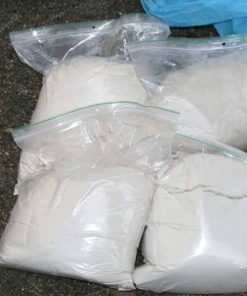
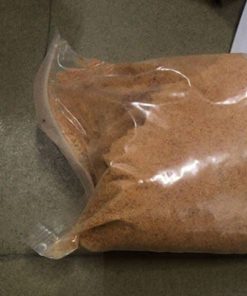
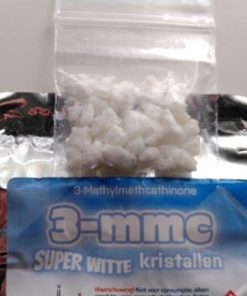
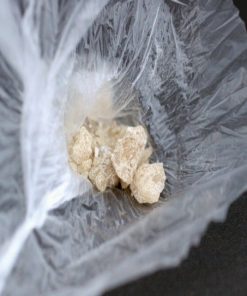
Our research chemical catalog includes several categories used across scientific and analytical research environments, including cannabinoids, stimulants, sedatives, dissociatives, cathinones, empathogens, benzodiazepines and other research compounds.
Availability and regulatory status can vary by compound. Researchers should review the specific compound information rather than assuming that every substance within a broad chemical category has the same legal or regulatory status.



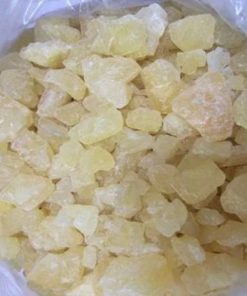

Research Chemical Quality and COA Documentation
Quality documentation is an important consideration when evaluating research chemicals. Where available, a Certificate of Analysis (COA) can provide information about a particular batch, such as the reported chemical identity, purity and analytical testing results.
Researchers can compare the information on a COA with the corresponding product documentation and batch information. Maintaining appropriate records can also support laboratory quality-control and research procedures.
A COA should not be treated as proof that a compound is legally permitted for every application. Product quality and regulatory compliance are separate considerations, and both should be evaluated independently.
Research Chemical Regulations in New York
Research chemical regulations in New York depend on the specific compound, its chemical classification, intended research activity and applicable federal and state requirements.
New York has specific licensing requirements for certain controlled-substance activities. The New York State Department of Health states that persons conducting research, instructional activities or chemical analysis involving controlled substances in New York State may be required to obtain a Department of Health license.
For this reason, researchers should not assume that a chemical is permitted simply because it is described as a “research chemical.” The legal status of a compound should be evaluated individually before acquisition, possession or laboratory use.
New York Research Compliance
Laboratories conducting research in New York should consider both the identity of the compound and the nature of the planned research activity.
For controlled substances, New York’s Department of Health provides specific licensing and registration procedures, including different requirements for research and analytical activities.
Research institutions may also have their own requirements covering chemical handling, storage, documentation, personnel authorization and laboratory safety.
Before beginning research, laboratories should:
- Verify the chemical identity and classification
- Review applicable federal requirements
- Check New York State requirements
- Confirm whether a controlled-substance license or registration applies
- Review institutional laboratory policies
- Maintain appropriate product and research documentation
This approach helps researchers evaluate both scientific suitability and regulatory compliance.
Why Choose Best Research Chemicals?
When evaluating a research chemical supplier, laboratories should look for clear product information and appropriate documentation.
Best Research Chemicals focuses on research-oriented chemical products and provides product information intended to help researchers evaluate materials for laboratory applications. Depending on the specific product, documentation may include:
- Chemical identification
- CAS information
- Stated purity
- Product specifications
- Batch information
- Certificate of Analysis documentation where available
- Research-use information
Researchers should review the documentation associated with the specific compound rather than making assumptions based on general category descriptions.
Research Chemicals for New York Laboratories
New York has a broad scientific and research environment that includes academic research, biotechnology, pharmaceutical development, analytical testing and industrial research and development.
Different laboratories have different material requirements. A compound suitable for one analytical or experimental application may not be appropriate for another. Researchers should therefore consider chemical identity, purity, documentation, handling requirements and regulatory status when evaluating research materials.
For laboratories operating in New York, applicable federal, state and institutional requirements should be reviewed before acquiring or using a research chemical.
Choosing a Research Chemical Supplier in New York
Selecting a research chemical supplier involves more than comparing product names or prices. Laboratories should consider whether the supplier provides sufficient technical information to evaluate the material and whether relevant documentation is available.
Important factors can include:
- Clear chemical identification
- Transparent product specifications
- Batch-level information
- COA availability
- Stated purity information
- Appropriate research-use labeling
- Clear compliance and safety information
Researchers should also independently verify whether the specific compound is permitted for their intended research activity in New York.
Frequently Asked Questions
Q. What are research chemicals?
Research chemicals are chemical compounds supplied for scientific, analytical or laboratory research rather than human consumption. Their suitability and regulatory status depend on the specific compound and intended application.
Q. Does Best Research Chemicals serve customers in New York?
Best Research Chemicals operates as a research chemical supplier serving customers across multiple regions. New York researchers should confirm product availability and applicable regulatory requirements for their specific compound and research application.
Q. Do research chemicals come with COA documentation?
Where applicable, products may include Certificate of Analysis documentation containing information such as chemical identity, purity, batch reference and analytical testing results.
Q. Are research chemicals legal in New York?
There is no single legal status that applies to every research chemical. Researchers should verify the specific compound against current federal and New York requirements before acquisition or use.
Q. Are research chemicals intended for human consumption?
No. Research-use-only chemicals should not be used for human consumption. They are intended for legitimate laboratory, analytical or scientific research applications.